

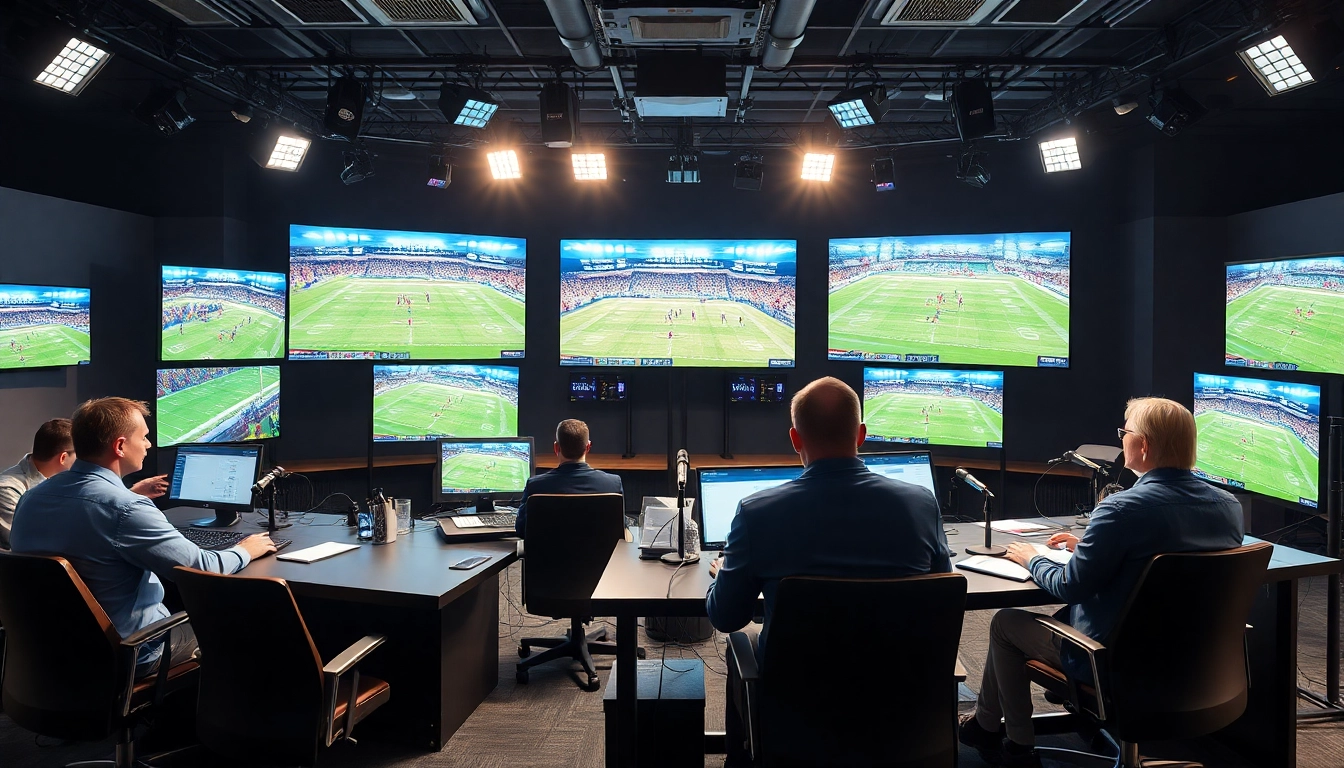
Understanding the Basics of Sports Broadcasting
Definition and Importance of Sports Broadcasting
At its core, Sports Broadcasting refers to the live transmission of sports events via various mediums such as television, radio, and online platforms. This field plays a crucial role in making sporting events accessible to audiences worldwide, thus enhancing the viewer experience and driving fan engagement. The excitement of a live sporting event is amplified through expert commentary and analysis, creating a more immersive experience for viewers. In recent years, the relevance of Sports Broadcasting has grown significantly, particularly with the rise of digital platforms and changing viewer habits.
Key Roles in Sports Broadcasting
Sports Broadcasting involves various key players who contribute to the production and delivery of live sports coverage. These roles include:
- Sportscaster/Commentator: These individuals bring events to life through their commentary, providing insights and context while engaging the audience.
- Producers: They plan and execute the broadcasting strategy, ensuring that all elements come together seamlessly.
- Technical Crew: This includes camera operators, sound technicians, and lighting specialists who handle the technical aspects of the broadcast.
- Analysts: They offer expert opinions and breakdowns of plays, strategies, and player performances, enriching the broadcast.
- Hosts: These individuals guide the broadcast, introducing segments, and facilitating discussions with analysts and guests.
Essential Equipment for Effective Sports Broadcasting
To ensure that broadcasts are of the highest quality, several pieces of equipment are essential. This includes:
- Cameras: High-definition cameras equipped with zoom capabilities capture crisp images and allow viewers to see all angles of the action.
- Microphones: Quality sound captures commentary and on-field interactions, enhancing the audio experience for viewers.
- Mixing Equipment: This equipment is crucial for balancing audio levels from various sources during the broadcast.
- Editing Software: Post-production software helps create highlight reels, promotions, and engaging content for social media distribution.
- Streaming Equipment: For online broadcasts, reliable streaming equipment ensures that viewers experience minimal buffering and high-quality video.
How to Create Compelling Sports Broadcasting Content
Gathering and Researching Information
The foundation of any successful sports broadcast lies in thorough research. This includes gathering up-to-date information about teams, players, statistics, and game previews. Utilizing credible sources like sports databases, athlete interviews, and real-time analytics ensures accuracy. Interviewing players and coaches can provide unique insights, while keeping an eye on social media discussions and fan engagement signals current trends and popular topics.
Writing Engaging Scripts
Crafting a compelling script is pivotal in retaining viewer interest. Scripts should be informative yet entertaining, blending facts with storytelling elements to create a narrative around the game. Incorporating humor, interesting anecdotes, and compelling questions can keep audiences engaged. Structuring the script with a logical flow helps maintain continuity, ensuring that the audience stays connected throughout the broadcast.
Utilizing Visual Elements
In today’s visually-driven world, utilizing graphics, charts, and animations can greatly enhance the viewing experience. Visual elements help illustrate statistics, showcase player stats, and demonstrate game plays. Incorporating replays and slow-motion highlights allows viewers to relive key moments, making the broadcast more interactive and engaging. Collaborating with graphic designers can elevate the quality of visuals produced during the broadcast.
Best Practices for Sports Broadcasting Production
Setting Up Your Studio for Success
The setup of the broadcasting studio plays a significant role in the overall quality of the broadcast. Key aspects include:
- Lighting: Adequate lighting is vital for on-camera talent to ensure they are well-lit and visually appealing.
- Soundproofing: Minimize external noise by soundproofing the studio to enhance audio quality.
- Camera Placement: Strategic camera placements enhance angles and perspectives for a more dynamic viewing experience.
- Set Design: A visually appealing set, with team colors and branding, contributes to the overall theme of the broadcast.
Effective Camera Techniques
Utilizing effective camera techniques can significantly impact storytelling. Techniques like wide-angle shots give a sense of scale, while close-ups of players’ expressions capture emotion. Switching between different camera angles during critical moments can enhance viewer engagement. Additionally, employing drone technology for aerial shots can provide a unique perspective on the action unfolding on the field.
Sound Quality and Listener Engagement
High-quality audio is equally important. Utilizing top-notch microphones, along with effective sound mixing techniques, ensures clarity in commentary while minimizing background noise. Engaging listeners also means integrating calls for fan interaction, such as polling opinions or answering viewer questions during the broadcast, which helps create a more interactive community feel.
Current Trends Influencing Sports Broadcasting
The Rise of Online Streaming
The shift towards online streaming has transformed how fans consume sports. With the rise of platforms like OTT (over-the-top) services, viewers can watch games on their terms. This massive shift has led broadcasters to adapt content strategies to attract online audiences and provide personalized viewing experiences. Sports leagues are now exploring direct-to-consumer models that bypass traditional cable altogether.
Use of Social Media in Broadcasting
Integrating social media into broadcasts is crucial for real-time engagement. Platforms like Twitter and Instagram serve as excellent channels for instant updates, highlights, and audience interaction. Encouraging viewers to participate in discussions or share their thoughts during the game creates a buzz and brings in younger audiences who rely on social media for news and entertainment.
Integration of Augmented Reality
Augmented reality (AR) is transforming the broadcasting landscape by providing interactive statistics, animations, and graphics overlaid on the live feed. AR enhances storytelling and allows fans to engage with the game on a deeper level by visualizing player stats, formations, and historical data, creating an immersive viewing experience. This technology is becoming a powerful tool to keep viewers captivated during broadcasts.
FAQs about Sports Broadcasting
What is sports broadcasting?
Sports broadcasting involves the live coverage and analysis of sporting events through various media platforms, making sports accessible to audiences worldwide.
What skills are essential for a sports broadcaster?
Key skills include strong communication, research abilities, and a deep understanding of sports, enabling effective discussion and audience engagement.
How has technology changed sports broadcasting?
Technology has made it easier to deliver high-definition content, engage with audiences through social media, and improve overall production quality.
What trends should I look for in sports broadcasting?
Look for increases in streaming services, enhancements in viewer interaction, and the use of data analytics for targeted content delivery.
How can I pursue a career in sports broadcasting?
Start by obtaining relevant education, gaining experience through internships, and networking within the sports media industry for future opportunities.